

Signs It May Be Time
Blurred or foggy vision, glare from headlights, faded colours, frequent changes in glasses power, double vision at times, or needing more light to read.
When to Operate
A cataract does not need to "ripen" first. Surgery makes sense once it gets in the way of reading, driving or work. Waiting too long can make the surgery harder.
How It's Done
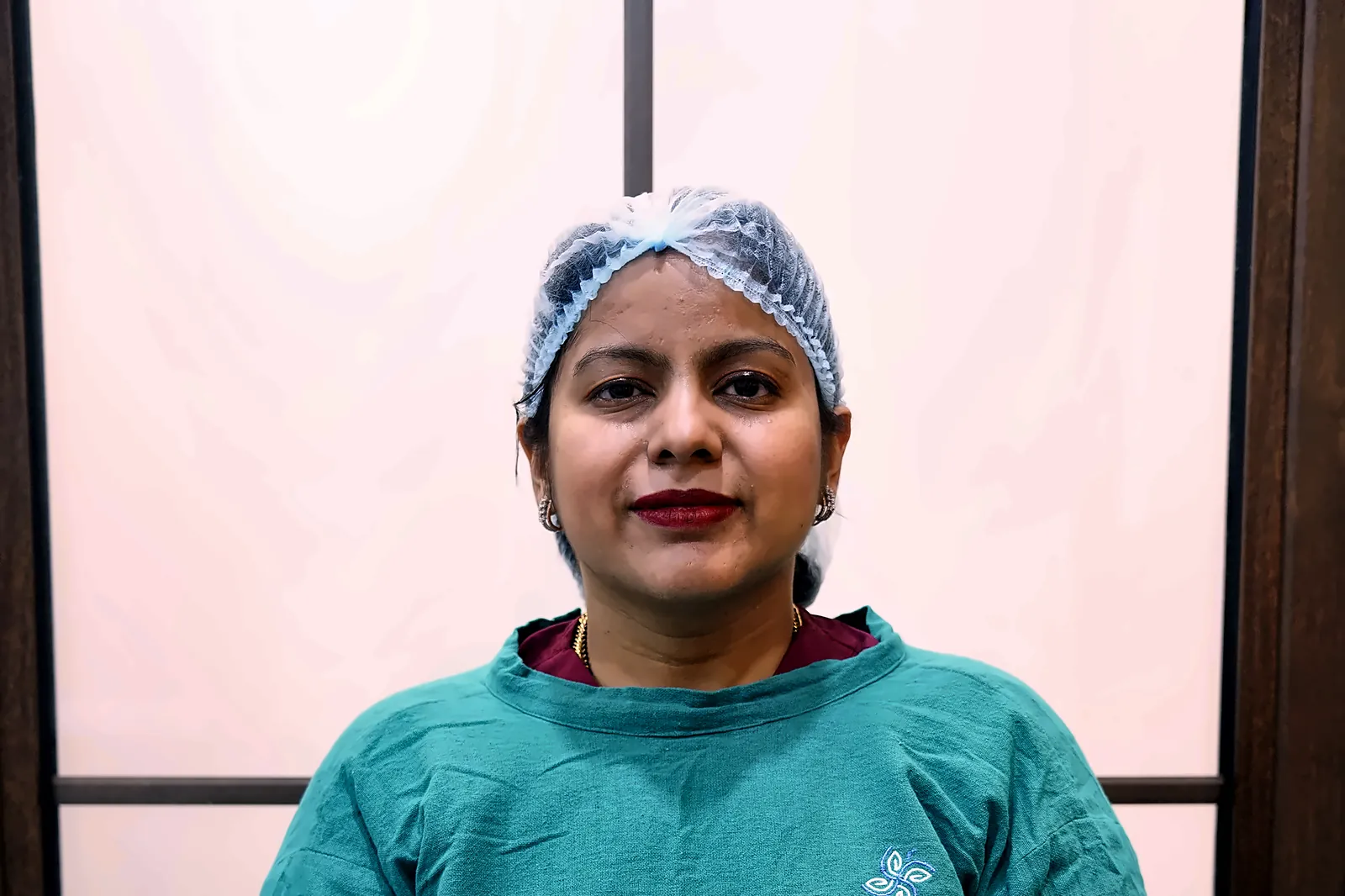
Dr Muskaan uses phacoemulsification (phaco) through a 2.2 mm micro-incision. The eye is numbed with drops or a local injection. The surgery usually takes under 30 minutes, and you go home the same day.
Choosing a Lens
All of these lens types are available at MediSight Healthcare.
| Lens | What It Does | Glasses After Surgery |
|---|---|---|
| Monofocal | Clear vision at one distance, usually far | Reading glasses needed |
| Toric | Corrects cylinder (astigmatism) as well | Reading glasses usually needed |
| Multifocal or trifocal | Clear at near, middle and far | Rarely needed; some see halos around lights at night |
| EDOF | Smooth range from far to middle distance | Sometimes for small print |
Before and After
Before surgery we measure your eye to choose the lens power. After surgery you use eye drops for a few weeks, avoid rubbing the eye, and keep water and dust out for about a week. Most people see clearly within a few days. Dr Muskaan will give you your own plan.
Cost
The price depends mainly on the lens you choose. You get a written quote after your eye tests.
Types of Cataract
Age-related cataract is the most common and builds up slowly over years. Diabetic cataract comes earlier in people with diabetes. Steroid-induced cataract follows long-term use of steroid tablets, drops or inhalers. Traumatic cataract follows an eye injury. Congenital cataract is present at birth and needs early attention so the eye can develop normal vision.
Tests Before Surgery
A full eye check covers vision, eye pressure and a dilated look at the retina. Biometry measures the length of the eye and the curve of the cornea to work out the power of the new lens. The cornea is checked, and an OCT scan of the retina may be done if anything else could affect your vision. Your physician may ask for blood sugar, blood pressure and an ECG. Bring a list of all your medicines, including any blood thinners.
On the Day of Surgery
- Eat a light meal, and take your usual medicines unless you are told to stop any.
- Come with someone who can take you home. You can't drive yourself.
- Drops widen the pupil, then the eye is numbed.
- After surgery a shield or dark glasses protect the eye, and you rest for a short while before going home.
Getting Back to Daily Life
A general guide. Dr Muskaan gives you your own plan.
| Activity | Usually Back to It |
|---|---|
| Reading, TV and phone | The next day |
| Desk work | After 2 to 3 days |
| Bathing below the neck | The next day |
| Washing your hair | After about a week, with the eye kept closed |
| Cooking over heat or smoke, dusty work | After 1 to 2 weeks |
| Eye makeup | After about 2 weeks |
| Swimming | After about 4 weeks |
| Driving | Once your vision is checked and meets the driving standard |
See us the same day if you notice: pain that gets worse instead of better, vision that drops, redness that keeps increasing, or flashes, floaters or a curtain over your vision. Call 91052 43000.
Hazy Again Months Later
Months or years after surgery, the thin membrane that holds the new lens can turn cloudy. This is called posterior capsule opacity. It isn't the cataract coming back. A short YAG laser treatment clears it without any cut.
Cataract with Other Eye Problems
Glaucoma, diabetic retinopathy, a past injury or a weak cornea change how surgery is planned, and recovery can take longer. The tests before surgery pick these up, and Dr Muskaan explains what they mean for you.
Care After Surgery
- Wear the protective glasses you are given, especially outdoors, to keep out dust and bright sunlight.
- Use your eye drops exactly as prescribed.
- Don't touch, rub or press on the eye.
- Avoid heavy lifting and strenuous exercise for the first few weeks.
- Keep every follow-up visit so healing can be checked.
How to Prevent Cataract
Not every cataract can be prevented, but these habits can help delay it:
- Wear UV-protective sunglasses outdoors.
- Keep diabetes and blood pressure under control.
- Don't smoke, and limit alcohol.
- Eat plenty of fruit and green vegetables.
- Use steroid medicines only as prescribed.
- Have regular eye checks, especially after 40.
Common Questions
Does cataract surgery hurt?
The eye is numbed, so most patients feel pressure or touch rather than pain.
Is winter the best time for cataract surgery?
Season makes little difference. It can be done any time of year.
Can I have surgery if I have diabetes?
Yes, once your sugar is controlled. We also check the retina first.
Both eyes on the same day?
Usually one eye at a time, a few days to weeks apart.
Is it covered by insurance?
Most health policies cover cataract surgery, with limits on premium lenses. See Insurance.
Can a cataract come back?
No. The cloudy lens is removed for good. Hazy vision months later is usually posterior capsule opacity, which a laser treats.
Can drops or medicines remove a cataract?
No. No eye drop or tablet clears a cataract. Surgery is the only treatment.
How soon can I go back to work?
Desk work usually after a few days. Dusty or heavy physical work after 1 to 2 weeks, as advised.
Will I need glasses after surgery?
It depends on the lens. With a monofocal lens, most people need reading glasses.
Medically reviewed by Dr Muskaan Bansal, 16 Nov 2026